
Procurement teams often find themselves stuck in reactive mode. They chase purchase orders, negotiate one-off deals, and put out fires.
Meanwhile, spending patterns go unexamined, and savings opportunities slip through the cracks.
Category management changes that. It shifts procurement from a transactional function to a strategic one.
Instead of treating every purchase as a separate event, procurement category management groups similar goods and services into defined spend categories.
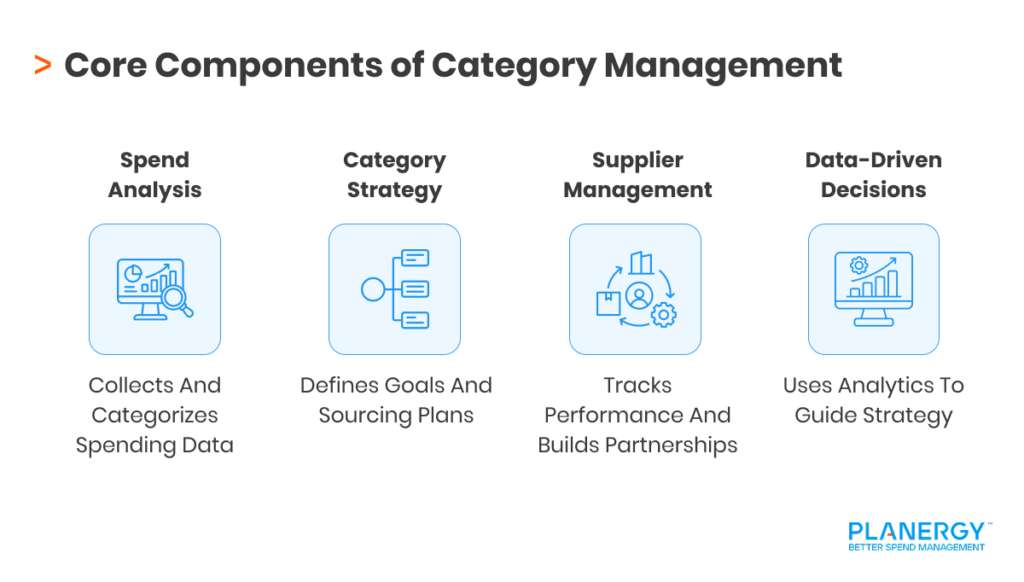
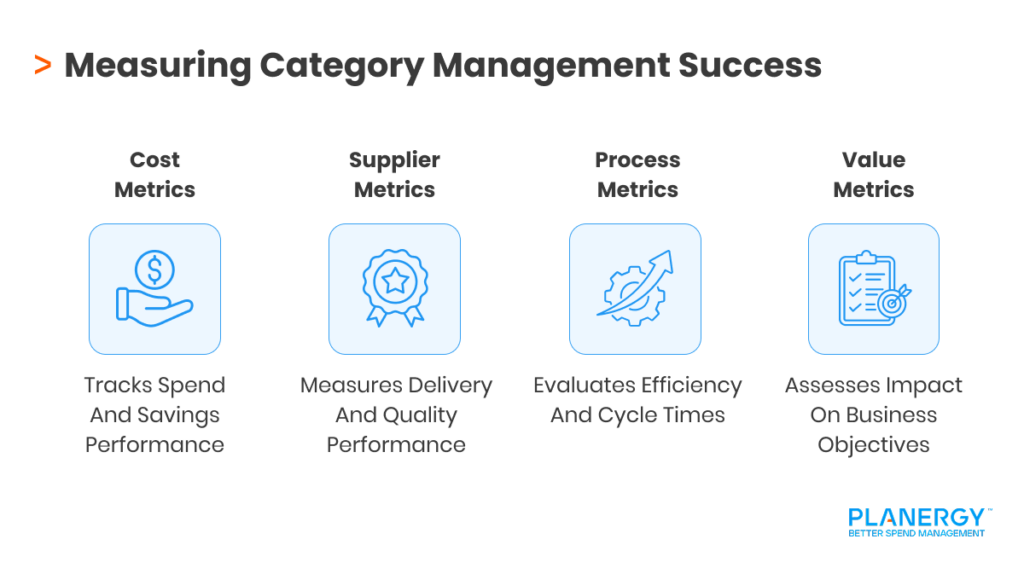
Each category gets its own strategy, supplier relationships, and performance metrics.
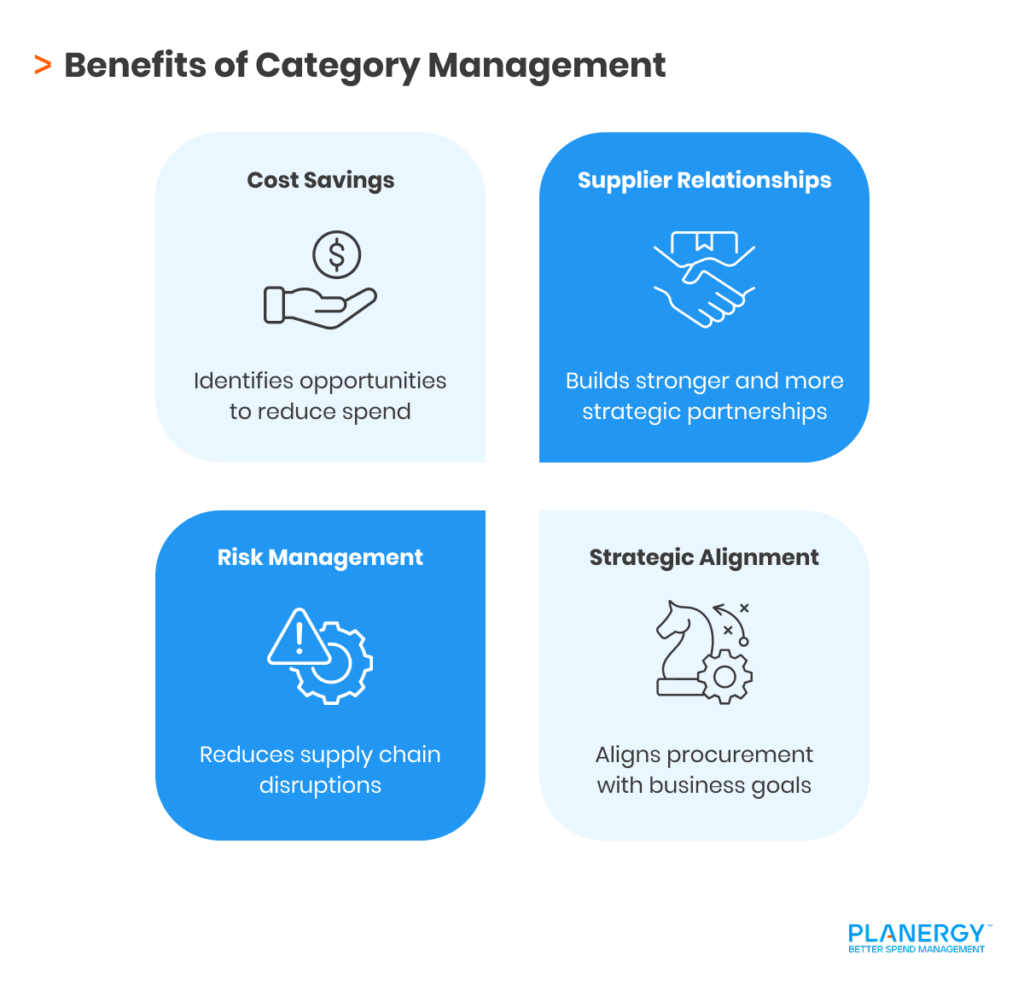
The result? Better pricing, stronger supplier partnerships, and procurement activities that actually align with business goals.
What Category Management Actually Means for Procurement Teams
Category management is a strategic approach to organizing and managing procurement by grouping related products and services together.
Think of it as moving from a scattered filing system to an organized one.
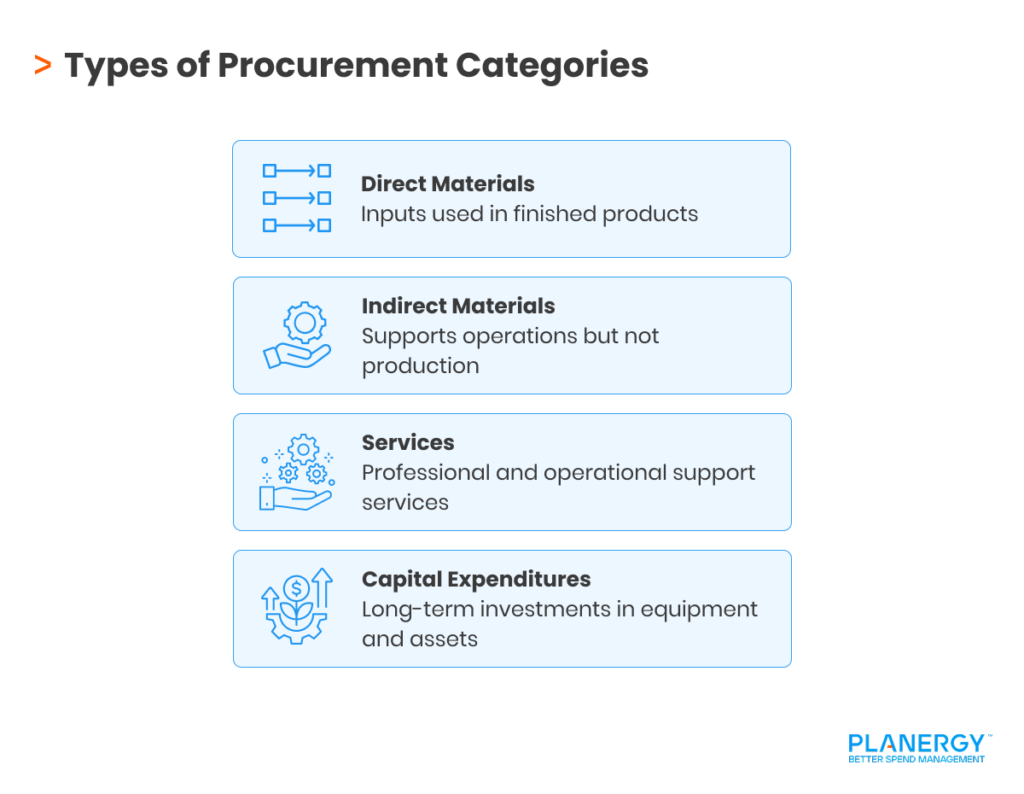
Rather than letting individual departments buy office supplies, raw materials, or IT services independently, category management brings all that spending under one umbrella.
Procurement professionals can then analyze spend data, identify key suppliers, and develop sourcing strategies that work across the entire organization.
Why does this matter? Because without it, organizations create silos.
One business unit negotiates a contract with Supplier A while another pays a higher price for the same thing from Supplier B. Nobody has spend visibility across the company, and nobody is optimizing for the whole.
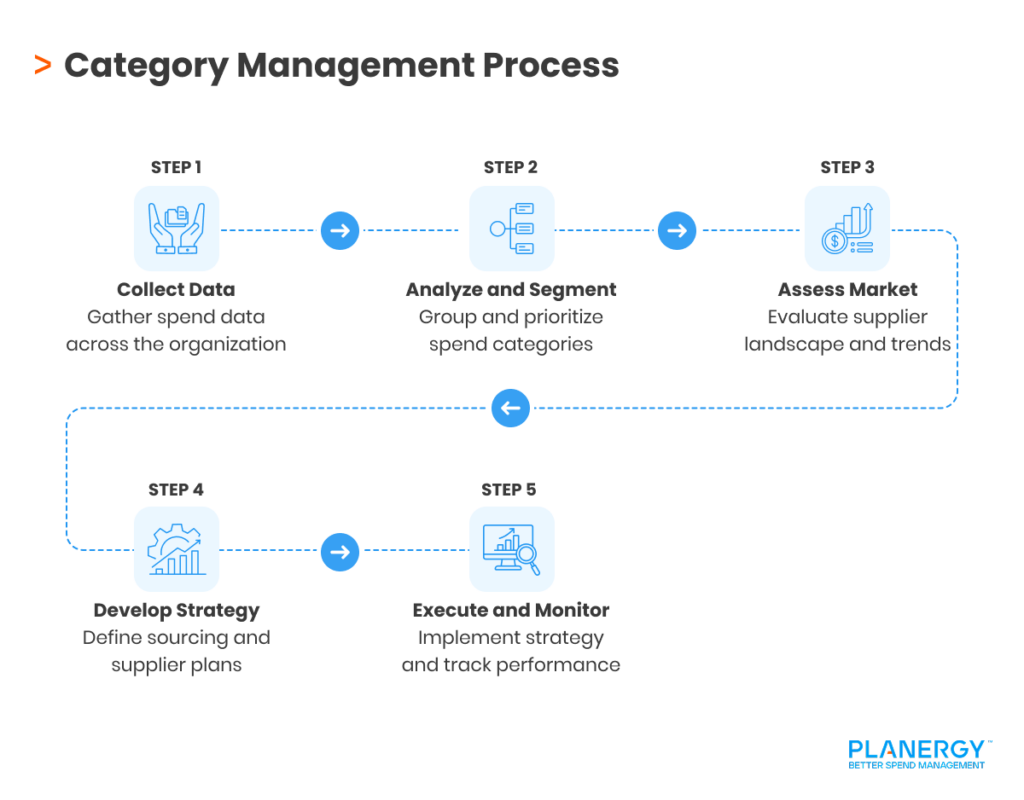
A category management process eliminates that waste. It gives procurement leaders a complete picture of spending patterns and the leverage to negotiate better deals.