Implementation Roadmap for Compliance
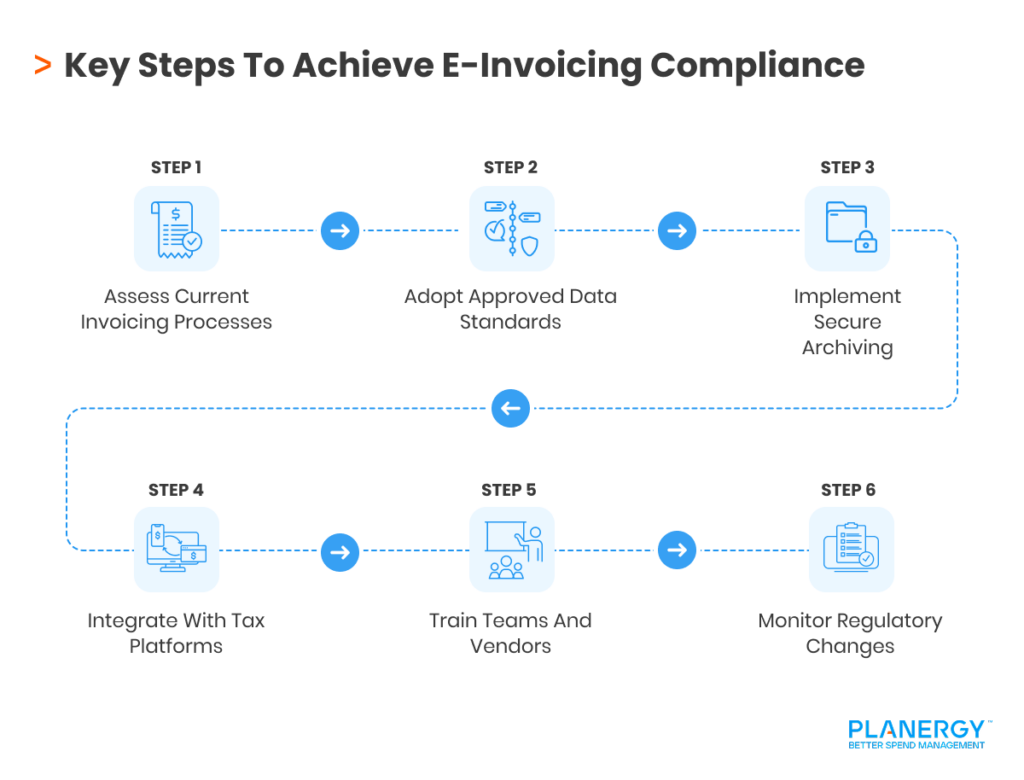
To make sure you’re compliant with regulations as they go into effect, follow this plan:
Internal Audit
Start with a thorough evaluation of your current processes. Look at your existing invoicing workflows to spot gaps in compliance with EU mandates.
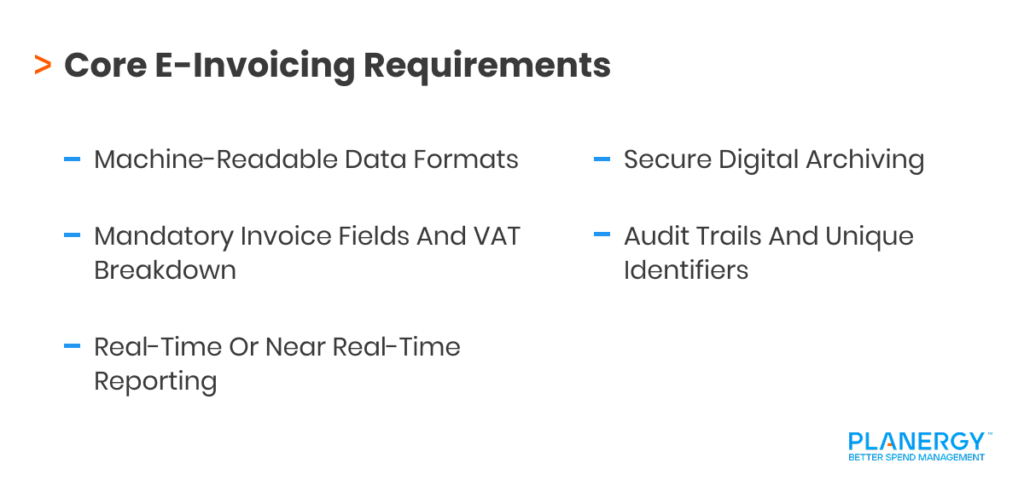
Make sure your invoice data is structured, accurate, and compatible with the required formats. Make sure your suppliers are set up to issue complaint e-invoices and identify any suppliers who may require additional support.
Vendor Selection
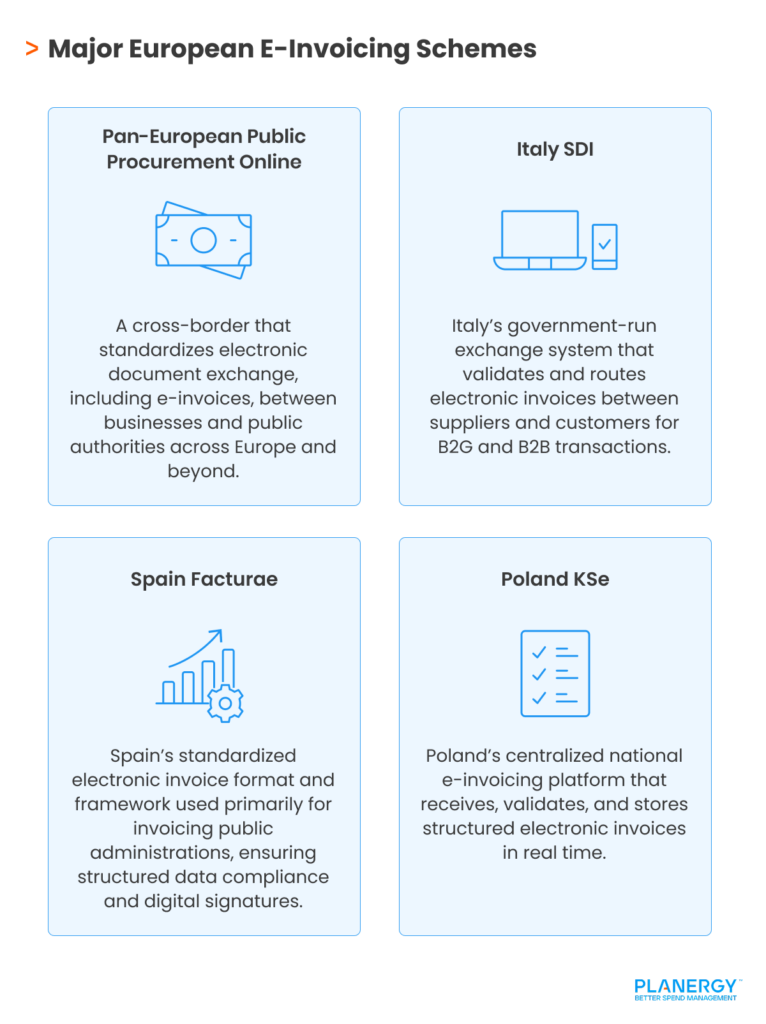
Evaluate e-invoicing platforms. Look for software tailored to European Commission regulations, supporting compliance with country-specific mandates in the areas where you conduct business. Prioritize platforms that integrate with PEPPOL standards for your cross-border invoice exchanges.
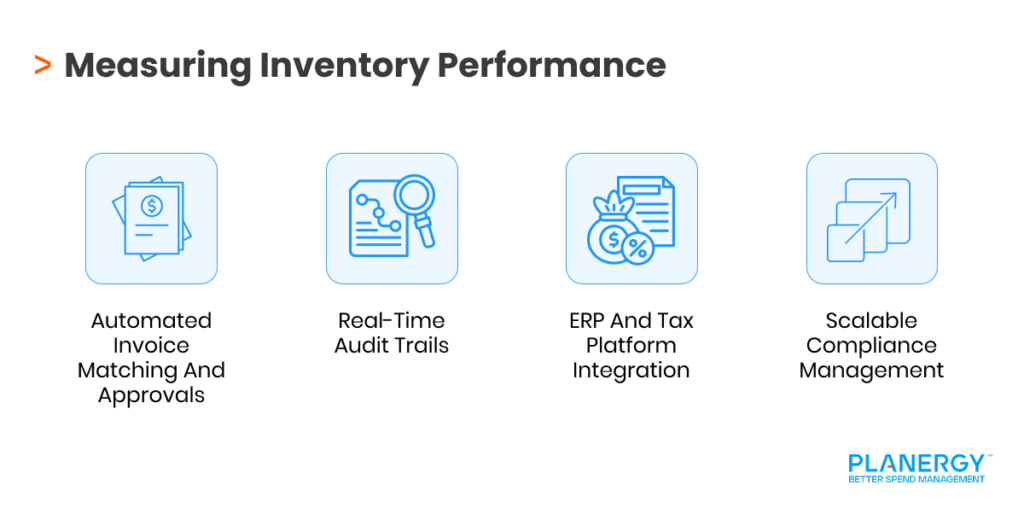
Make sure the platform offers advanced features like automated workflows, real-time reporting capabilities, and secure, compliant archiving.
Evaluate scalability to ensure it meets your current needs but will also work well in the future as operational demands and regulations evolve.
Segment the trading partners in your supply chain to distinguish between technologically advanced vendors and those that need support. Provide the affected suppliers with clear instructions, templates, and timelines to adjust their processes.
Offer regular communication and resources to encourage vendor buy-in and prevent non-compliance disruption.
Integration Planning
Once you’ve found the e-invoicing solution you’ll use, you must embed it into your existing systems to keep operations running consistently and smoothly.
Collaborate with Procurement, Accounts Payable, and IT teams to map workflow integration, so you know how the issued invoices will flow through your systems from submission to final approval.
Define all the touchpoints with your current ERP, financial systems, and procurement tools.
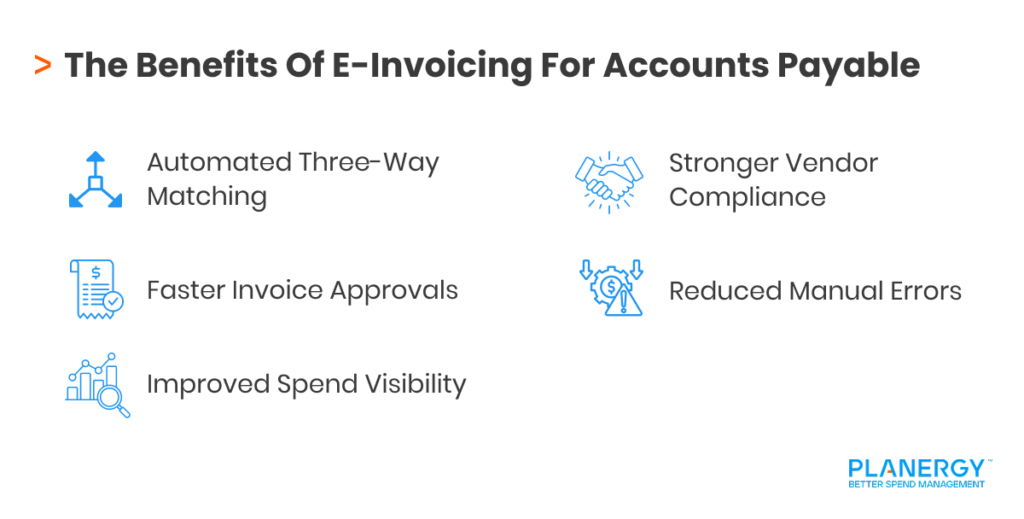
Work with your service provider to tailor features like invoice templates, data validation rules, and reporting settings to your regional and industry-specific needs. Implement automation for repetitive tasks like invoice matching and approval workflows.
Ensure that the integration can handle high volumes of transactions and accommodate additional functionalities, such as multi-country compliance.
Create comprehensive documentation outlining the new process to serve as a reference for your teams moving forward.
Testing and Validation
Start by running a small-scale pilot program with select vendors or internal departments. This allows you to identify and address potential issues before full implementation.
Cross-check the data formats, field completeness, and real-time reporting features against the specific regulations of all relevant countries.
Simulate compliance audits to test the system’s ability to provide required documentation. Address errors such as inaccurate formatting, delayed processing, or data mismatches.
Test high-transaction scenarios to ensure the platform performs efficiently under full operational pressure. Collaborate with your solution vendor to troubleshoot and refine the system.
Training and Change Management
Transitioning to e-invoicing affects not only processes but also the people who execute them. Providing adequate training and managing change ensures successful adoption.
Develop training programs for your Procurement and AP teams to familiarize them with the new system. Focus on critical topics like new workflows, compliance requirements, and troubleshooting basic issues.
Share training resources, such as guides or webinars, with your vendors to support alignment with your e-invoicing expectations.
Keep organizational leaders informed and engaged, demonstrating how the transition aligns with company objectives to drive support across departments.
Utilize a phased approach to implementation, reducing resistance by introducing change incrementally. Provide ongoing technical support and forums for employee feedback to ensure continuous improvement and adoption.