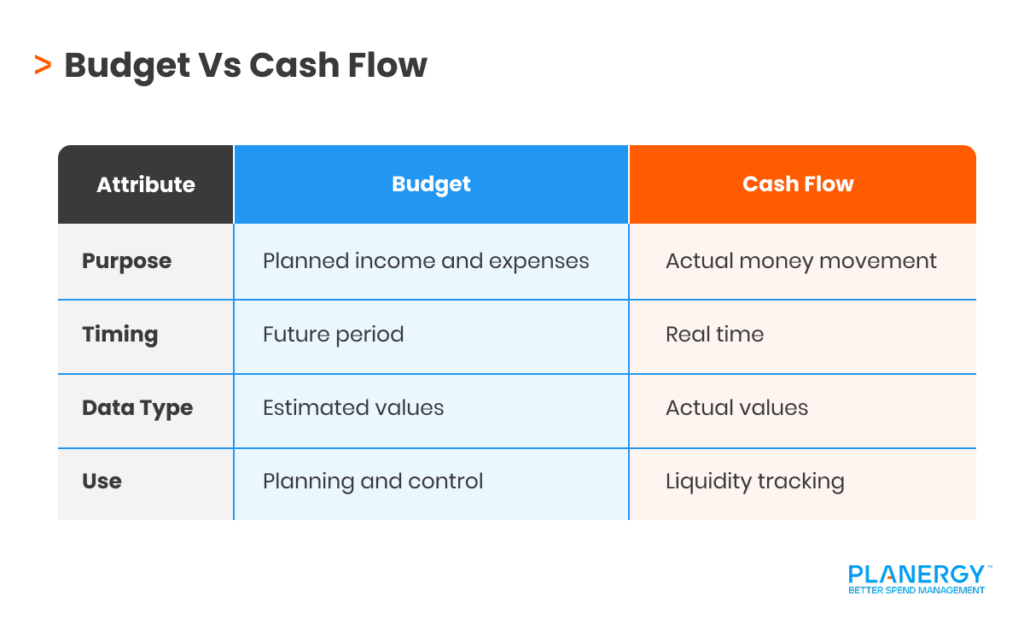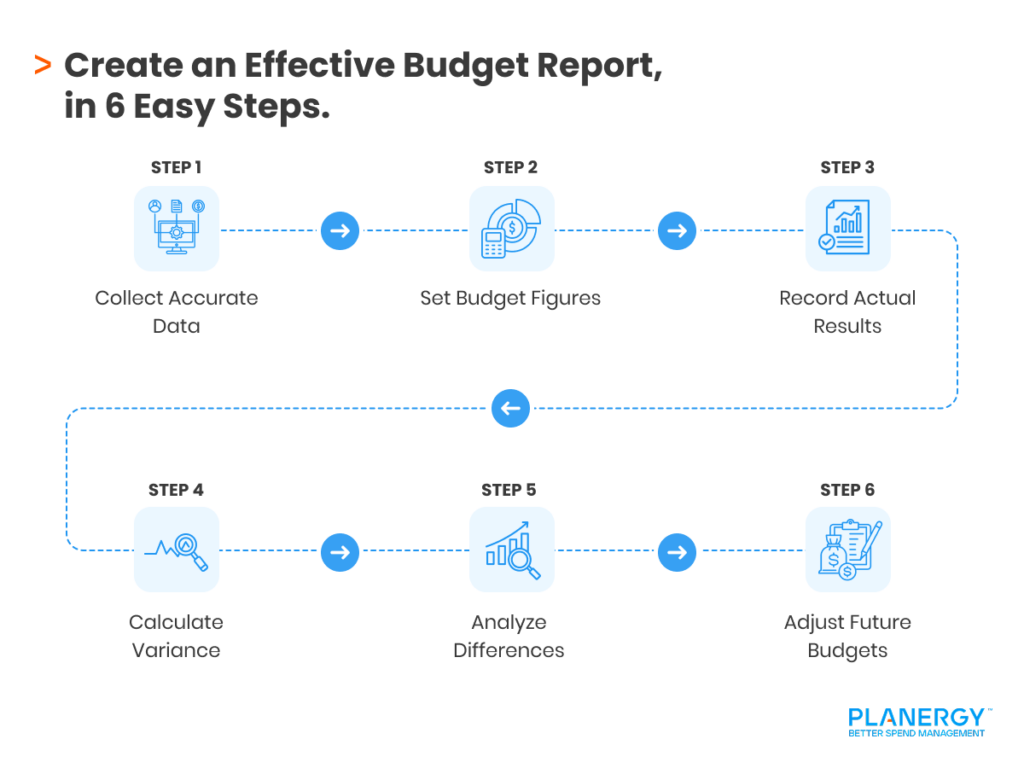


In a highly competitive market, managing money properly can be the key to success.
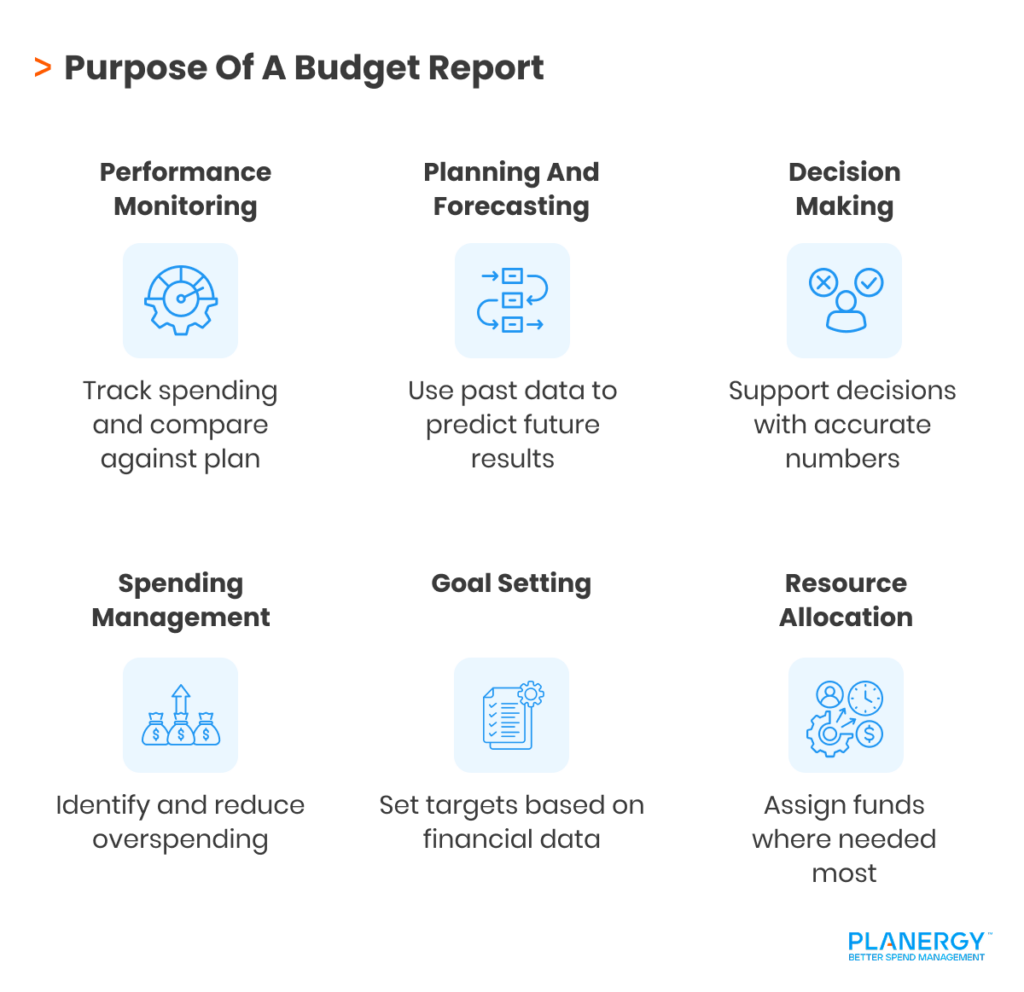
One way to manage costs and cash flow is by using financial reports, including budget reports.
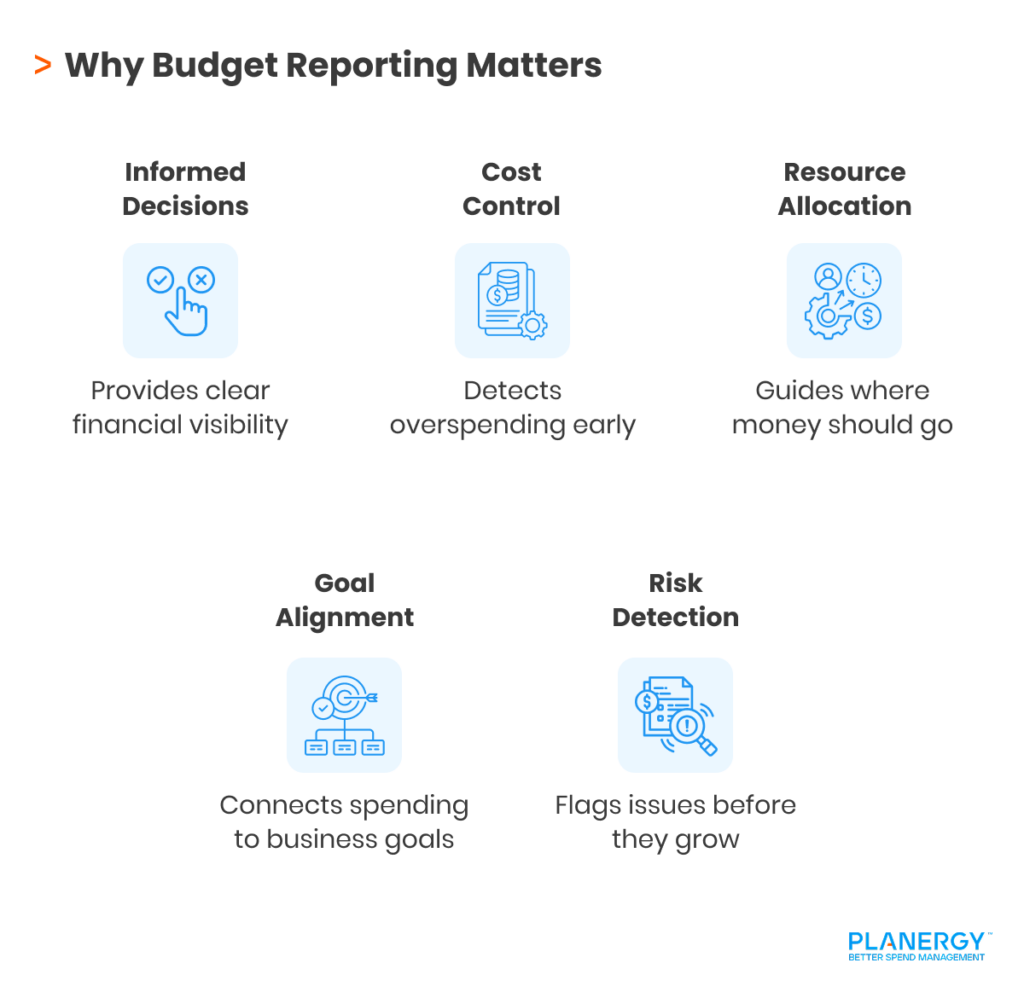
These reports provide valuable insights into spending habits, help you identify trouble spots, and allow you to manage cash more effectively.
What Is a Budget Report?
A budget report provides a financial picture of your business over a specific period, typically monthly, quarterly, or annually.
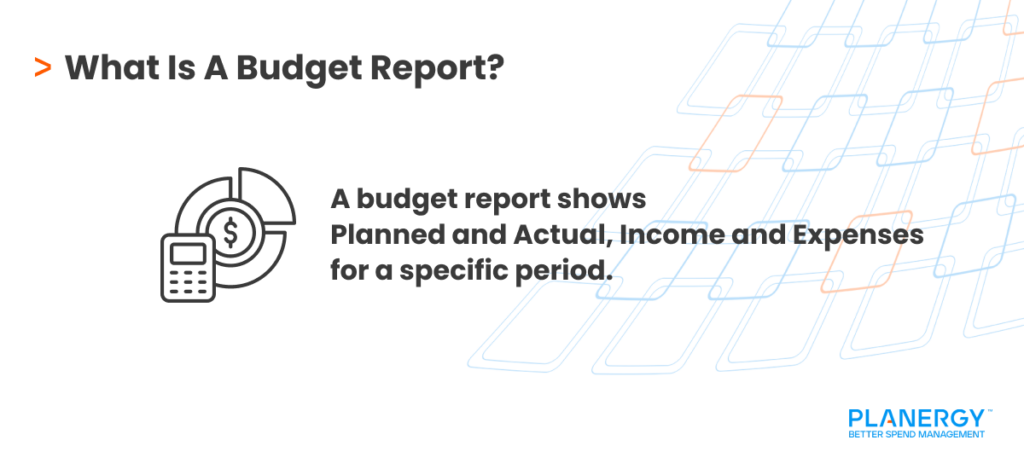
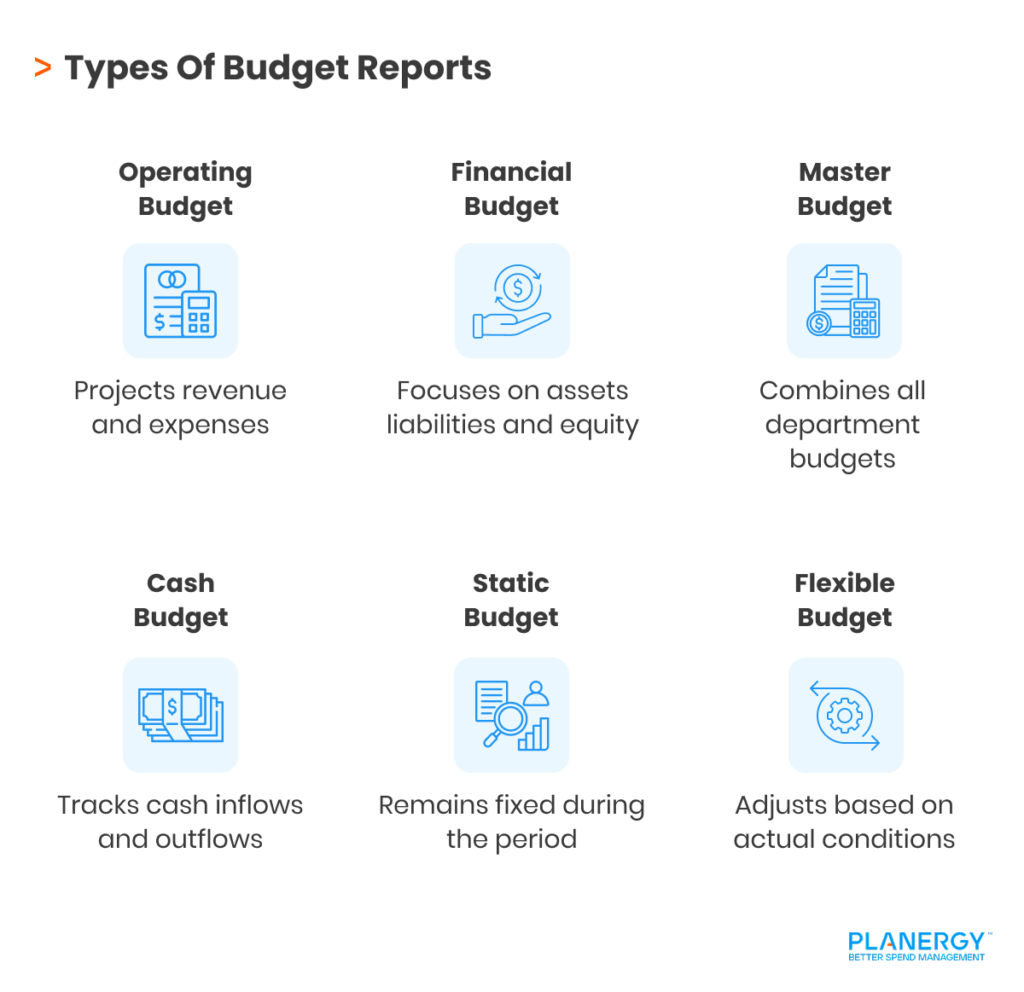
A budget report includes the original budgeted total for that period, along with actual expenditures for that same period, and can be customized to display the entire budget or just specific accounts.
For instance, you can create a budget report for specific accounts. The sample below, for example, includes rent, utility, and wages and salaries budget totals for October 2025.
Account | Budget | Actual | Variance |
Rent | 1,500 | 1,500 | 0 |
Utilities | 800 | 950 | -150 |
Wages & Salaries | 5,510 | 5,775 | -265 |
The report shows that there was no rent variance, since rent is typically a fixed expense.
However, both utilities and wages & salaries were under-budgeted for October, resulting in a small variance.
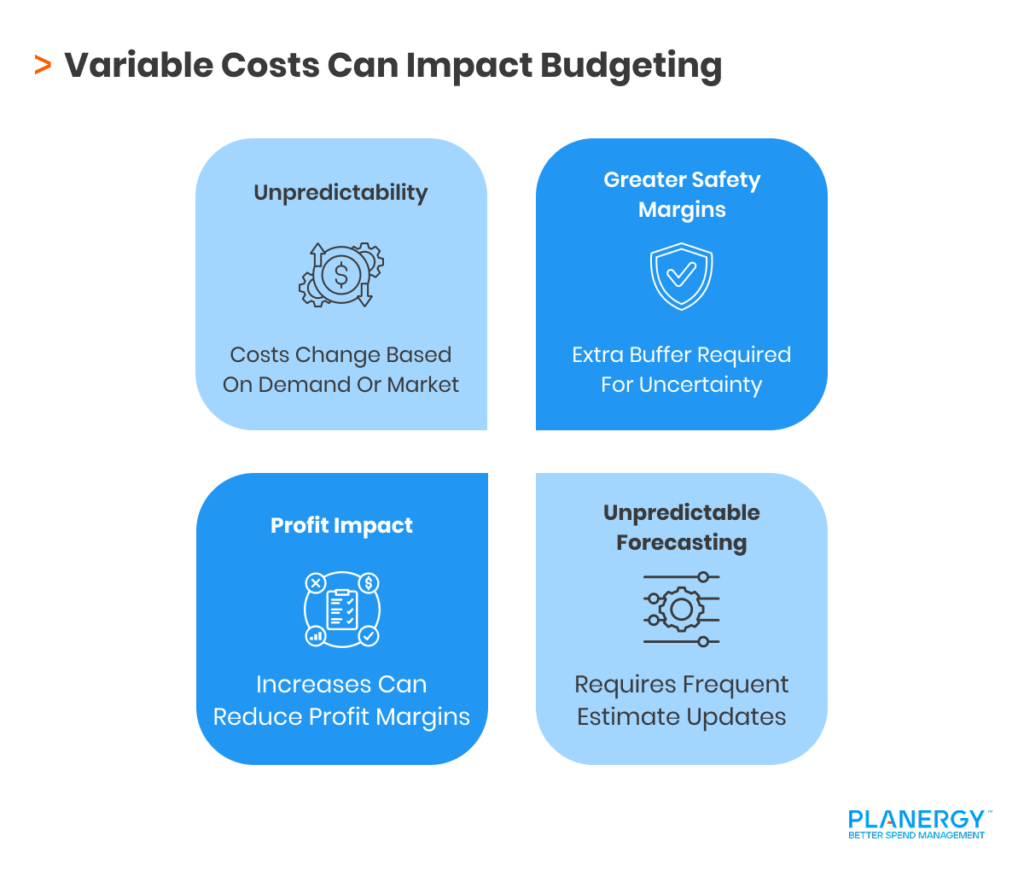
While the variance on these two accounts is small, a larger variance could have a significant impact on cash flow for the month.
To illustrate, let’s look at the wages & salaries budget entry when a new employee is unexpectedly added.
Wages & Salaries | 5,510 | 7,575 | -2065 |
While a variance of $265 may not impact cash flow significantly for October, a $2,065 variance certainly will, particularly for companies that have limited cash flow.